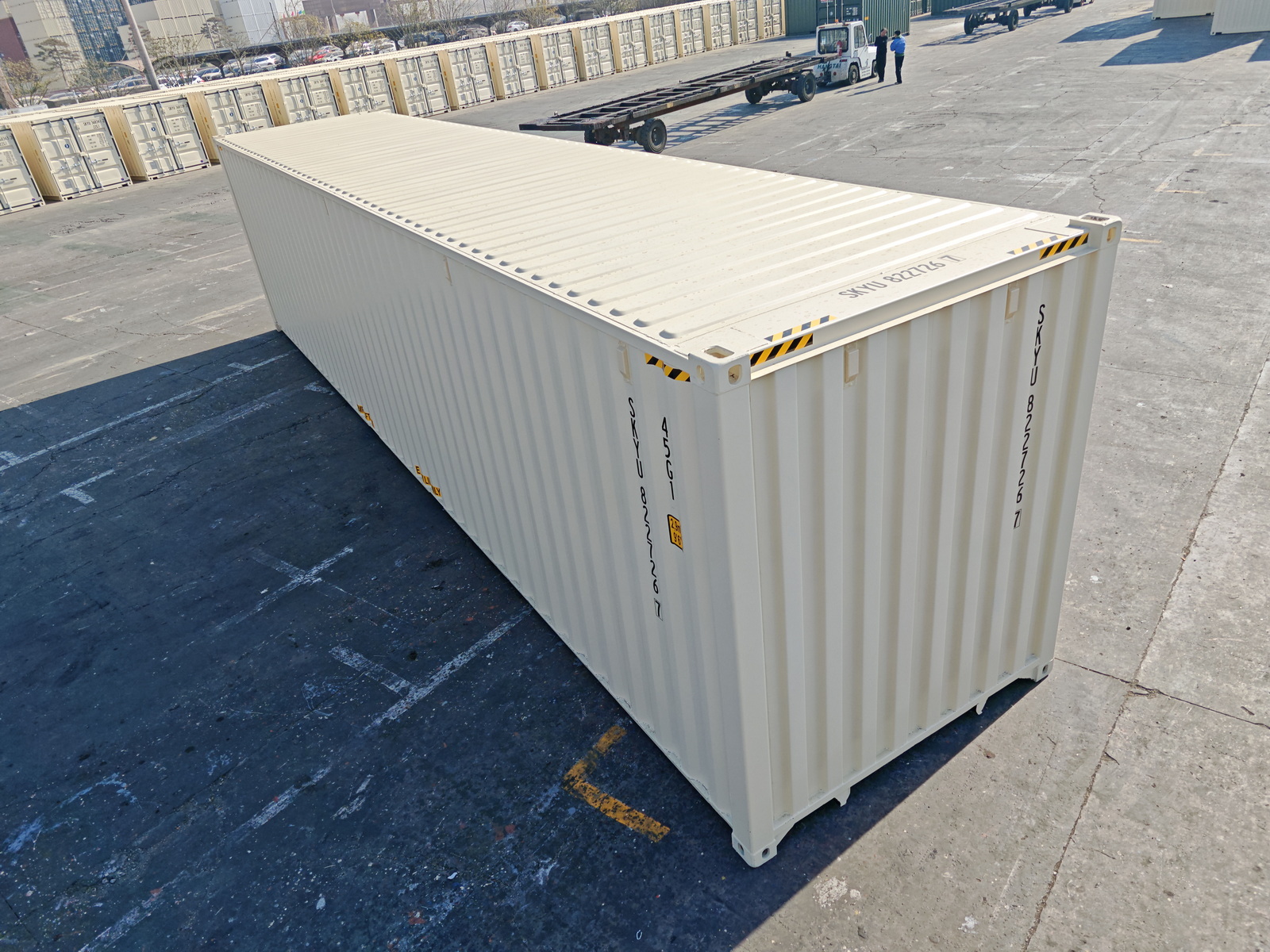
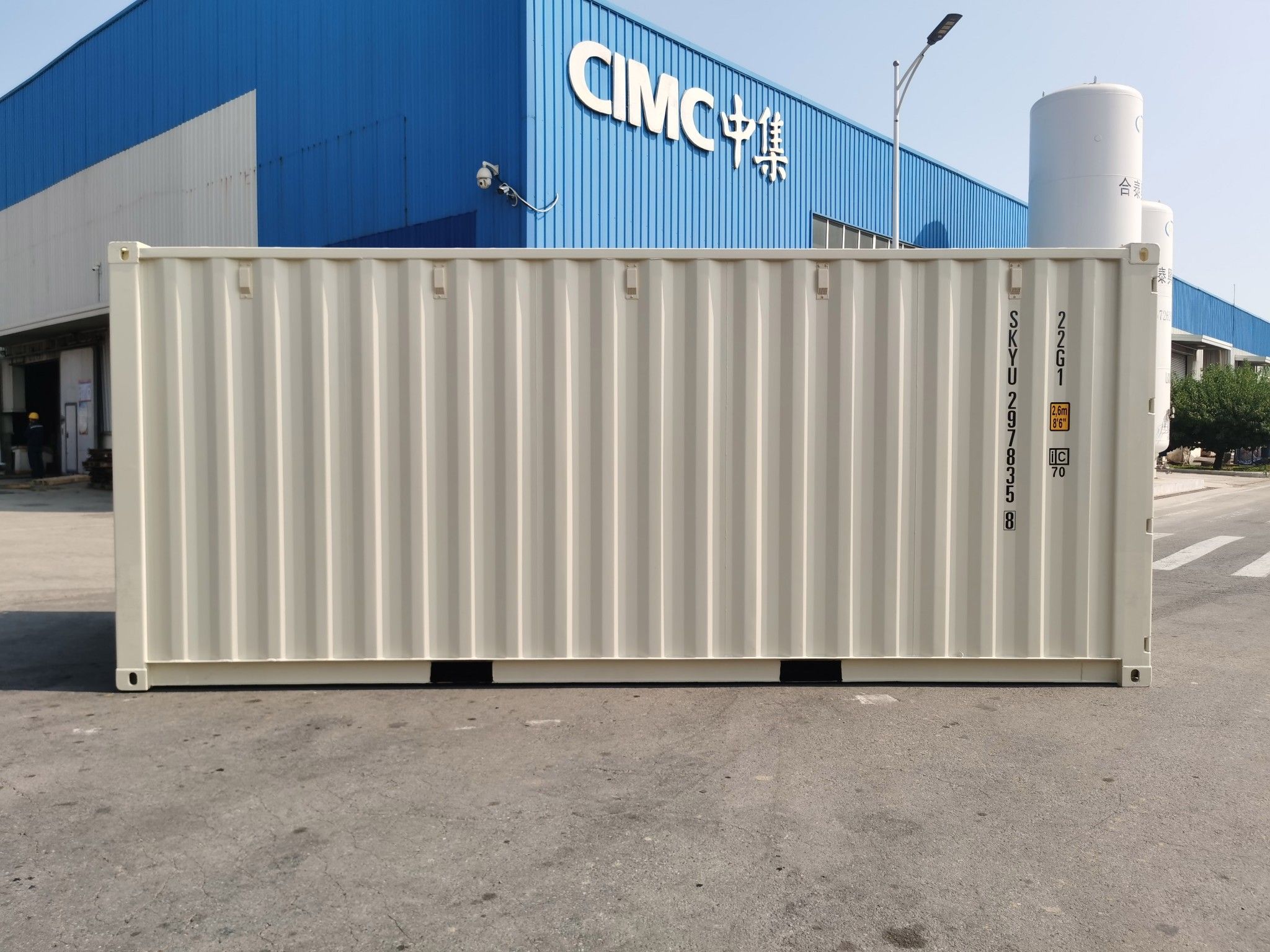
Empire Containers sells and leases shipping containers.
On most farms a shipping container earns its keep as secure, weatherproof, relocatable storage, chemicals and drums, tools and spares, seed and bagged fertiliser, feed and fencing gear. A 20ft General Purpose container (around 33 cubic metres) handles the majority of on-farm jobs and can be dropped onto sleepers or a gravel pad in an afternoon.
In NSW, a container used as a farm building on rural-zoned land can often go in as exempt development, with no DA required, provided it meets the standards. Set it up properly, off the ground, level, ventilated, and it will outlast most sheds.
Get three things right and the rest follows: the base, the airflow, and what sits on the floor.
1) Put it on footings, not dirt. Concrete pads, hardwood blocks or railway sleepers under the corner castings keep the base out of the wet and stop the frame twisting. Aim for all four corners within about 25mm of level, leave one unsupported and the container racks, and the doors stop shutting properly.
2) Deal with condensation before it deals with you. Steel that drops below dew point overnight causes "container rain", water dripping from the roof onto your stock. Passive vents or whirlybirds, desiccant, or an insulated lining all help, and plastic pallets beat damp timber ones.
3) Keep product off the floor. Container floors are timber treated with insecticides for international biosecurity, so seed, feed and grain belong on pallets or in bulka bags, not on the deck. If you want a food or feed-safe floor, we can seal or replace it.
4) Grain: bagged, not bulk. Container walls restrain cargo, they aren't built to hold back the lateral pressure of loose grain. Store in bags or bulka bags, keep cereals at or under about 12.5% moisture, and don't treat a container as a fumigation vessel; it can't hold gas-tight pressure the way an AS 2628 silo can.
5) Chemicals: a great shell, but it needs a fit-out. AS 2507 storage means a sealed impervious floor, bunding holding 25% of the total liquid stored, ventilation, signage, and separation from boundaries, occupied buildings and watercourses. Containers do this well once set up for it, talk to us about bunding and vents before delivery rather than after.
6) Fertiliser: cool, dry, ventilated. Keep bags clear of the walls, don't store incompatible products together, and expect fertiliser dust plus humidity to be hard on bare steel.

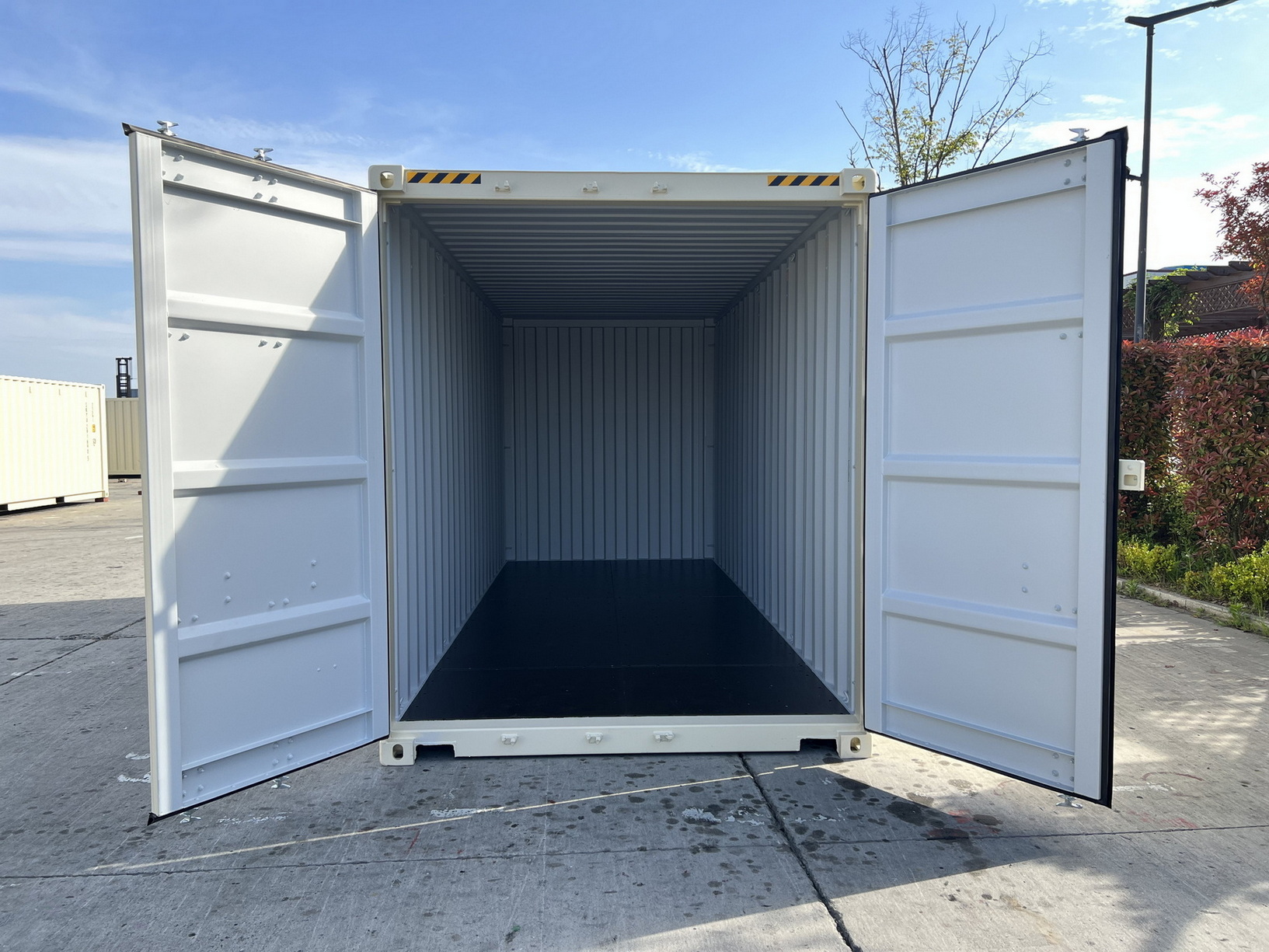
Often you won't need development consent, but it depends on zoning, how many containers you're putting in, and what you use them for.
In NSW, a container used as a farm building ancillary to agriculture, not lived in, can be exempt development on rural-zoned land under the Codes SEPP.
The standards that catch most people out:
● One container per landholding under 400 hectares; up to five for landholdings of 400 hectares or more. Beyond that you're looking at a DA.
● Setbacks of at least 20m from a road boundary, 6m from other farm buildings and 50m from a waterbody, with side and rear setbacks scaling with the footprint.
● No habitable use, and not on a heritage item or in an environmentally sensitive area.
If you're in Central West NSW and you're not sure what applies, ring us, we place containers on farms around here every week.
Whichever way you go, Empire Containers makes it simple:
● Buy a new or used container outright, with delivery or yard pickup available
● Lease-to-own with interest-free finance through Humm, from as little as $6.12 a day
● Rent a container short-term at our Molong site if you only need space for a few weeks or months
You're always welcome to visit our yard in Molong and see the exact container you'll be getting before you decide.
Ready to find your perfect container solution? Reach out to the Empire Containers team today.